
 By
By 
Filippo Turetta | Middle East & Africa Researcher
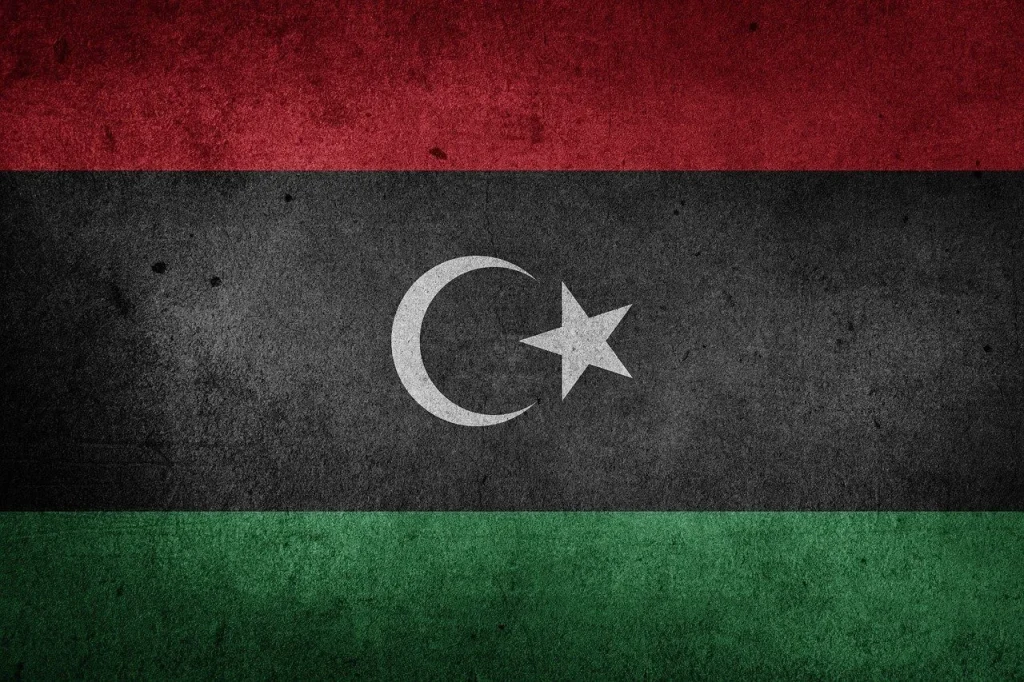
©Chickenonline/Pixabay, 2016
Libya is intensifying restrictions on international NGOs, suspending major organisations like MSF and NRC, interrogating staff, and limiting aid for over 700,000 migrants. MSF’s expulsion worsens healthcare access. Authorities accuse NGOs of enabling migrant settlement amid EU policies that externalise border control through Libya.
Libya continues its campaign against international humanitarian organisations, following measures that cut off essential services for hundreds of thousands of migrants and refugees. On April 2nd, 2025, the country’s Internal Security Agency (ISA) declared the planned suspension of activities for ten international NGOs, accusing them of facilitating the settlement of migrants in Libya, invoking its duty to maintain national security. Groups affected include the Norwegian Refugee Council, Médecins Sans Frontières (MSF), Terre des Hommes, and CESVI.
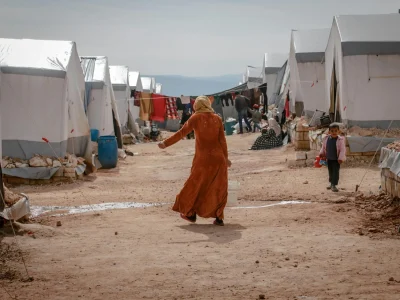
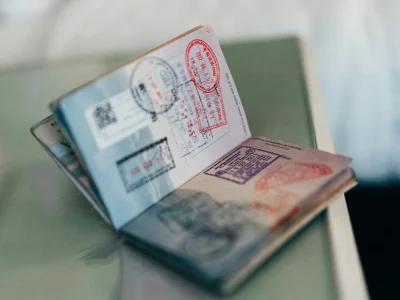
It has been reported that staff of NGOs operating in the country have been subject to questioning by the ISA, with their passports confiscated. Some staff members were pressured to resign or to halt their activities with NGOs. Libya is a major transit point for people attempting to reach Europe, currently hosting more than 700,000 migrants according to UN estimates, although figures are expected to be even higher. The current restrictions risk further isolating migrants in Libya. Suspending NGO activity will restrict access to basic healthcare and aid for migrants, most of whom face complete exclusion from safe travel routes to the EU.
The pressure on MSF has been particularly acute. After being ordered to suspend activities, MSF had to leave Libya by November 9th, 2025 following indications from the Libyan Ministry of Foreign Affairs. The NGO complains no explanation was provided to justify the expulsion. MSF played a role in the country, diagnosing and treating tuberculosis, supporting the Libyan health system and its stranded migrant population.
MSF expressed deep concern over the effect of its expulsion coupled with cuts to international aid funding and increasingly anti-immigration European border policies. Libyan authorities, on the other hand, accuse the European Union of exploiting Libya’s instability through NGO activities in order to turn the country into a migrant settlement zone where refugees are kept away from EU shores. The Osama Al-Masri Njeem case highlights Europe’s reliance on Libya to control African migration, as Italian authorities chose to release an ICC-wanted war criminal rather than risk damaging relations with a key partner in their migration-control strategy.
For humanitarian and rights-based organisations, the developments signal an increasingly hostile environment fuelled by European rigid border controls and the growing pressure from migration flows on the Libyan government.



Comments