
 By
By 
A United Nations report has revealed that conflict-related sexual violence remains unaddressed 17 years after the end of the civil war. The report documents widespread abuse by Sri Lankan security forces against Tamil civilians and urges the government to take action.
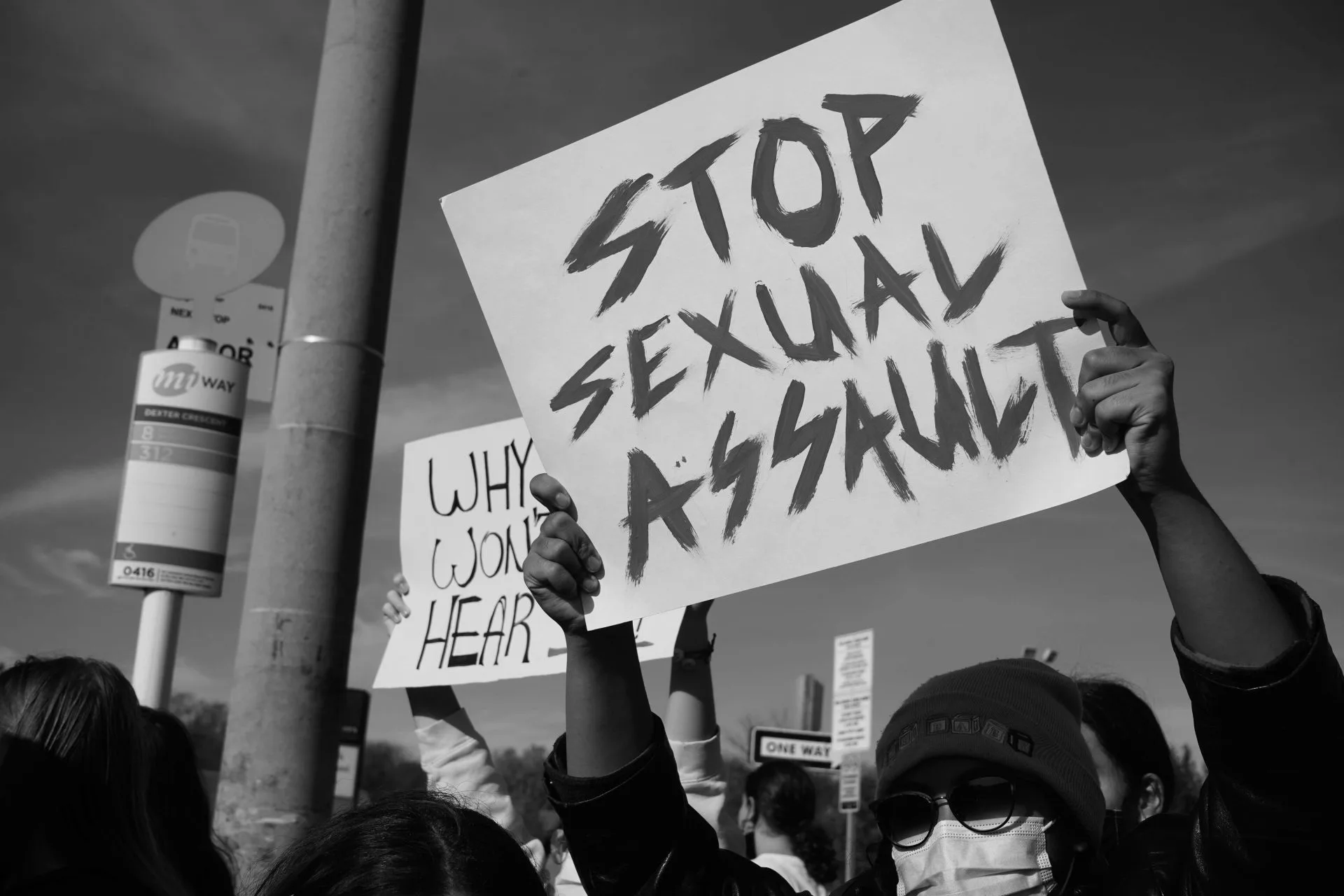
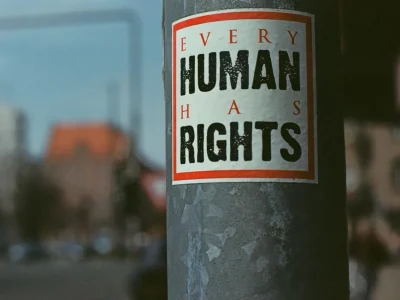
Photo source: Anita Monteiro, via Unsplash, November 30th, 2021.
16-01-2026 | Roberta Moisuc | Asia Team Researcher, Global Human Rights Defence.
A 2026 United Nations Human Rights Office report exposed how conflict-related sexual violence in Sri Lanka has not been adequately addressed for 17 years since the end of the country’s civil war in 2009.
The report titled “We lost everything – even hope for justice” is based on more than a decade of United Nations (UN) monitoring and consultation with survivors, civil society groups, and experts. Findings of the report note that survivors, both men and women, faced long-term physical injuries, psychological trauma, social exclusion, and widespread stigmatisation.
The report highlighted the sexual violence against minority Tamil civilians used by Sri Lankan security forces during the war. Survivors and their representatives described an enduring climate of surveillance, intimidation, and harassment, which led to mass under-reporting due to stigma and the absence of effective remedies. The sexual abuse was described as violence intended to cause lasting trauma and to fracture communities, through acts such as rape, sexual mutilation, forced nudity, and public humiliation. Many victims continue to suffer chronic physical injuries, infertility, psychological trauma, and suicidal thoughts.
The document finds that the lack of accountability, acknowledgement, and reparations for gross human rights violations has led to the creation of a legacy of impunity. Militarisation, emergency legal frameworks, and a weakened rule of law have enabled gender-based violence to continue to persist, even after the conflict. Due to a lack of specific legislation addressing conflict-related sexual violence, prosecutions often do not take place.
The report calls upon the government to take immediate and concrete action to publicly acknowledge sexual violence committed by State forces and implement survivor-centred reforms across the legal framework, establish an independent prosecution office, and ensure access to psychological and social support.
Comments