
 By
By 
© 27 October 2017 The Washington Institute for Near East Policy.
06-03-2026 | Martina Malaman | Middle East and Africa Team, Global Human Rights Defence.
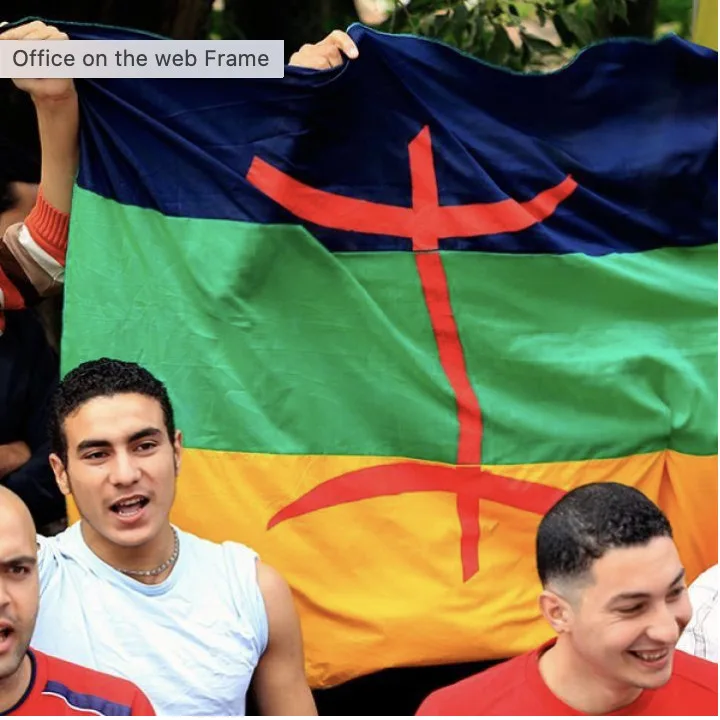
Dozens of Berber (Amazigh) activists from the turbulent Kabylie region face a new trial that began on 1 March 2026 in Algiers. It follows initial death sentences stained by torture allegations and procedural irregularities. The new trial at the Algiers Court of Appeals comes after the Supreme Court annulled an appellate verdict in November 2024.
Human rights organisations, in particular Amnesty International, have raised alarms over systemic violations in these proceedings. Confessions were extracted via electric shocks, waterboarding attempts, and rape threats, highlighting judicial overreach against Algeria’s Berber minority, long demanding cultural and political rights.
The case stems from the 2021 unrest in Kabylie and involves 94 defendants, 52 still detained. They’re accused of violence tied to the Movement for the Autonomy of Kabylie (MAK), which Algerian authorities labelled a terrorist organisation that year for allegedly destabilising the state.
Initial trials also produced death sentences for 10, despite alibis showing non-involvement. At least five defendants reported torture and ill-treatment. Though the Supreme Court annulled the sentences and ordered a retrial, critics fear repeated abuses.
The prosecution itself seems politically motivated, targeting MAK affiliates amid broader repression of dissent. In a region of daily Berber suppression, it fuels unrest through selective justice. Algeria’s courts face international scrutiny for politicised trials, as inHuman Rights Watch’s World Report 2026. The death penalty, rarely used since a 1993 moratorium, looms as intimidation, echoing Berber discrimination across North Africa.
International observers and rights groups monitor the retrial. Its outcome could impact Algeria’s reputation on judicial fairness, minority rights, and international standards.

Comments