
 By
By 
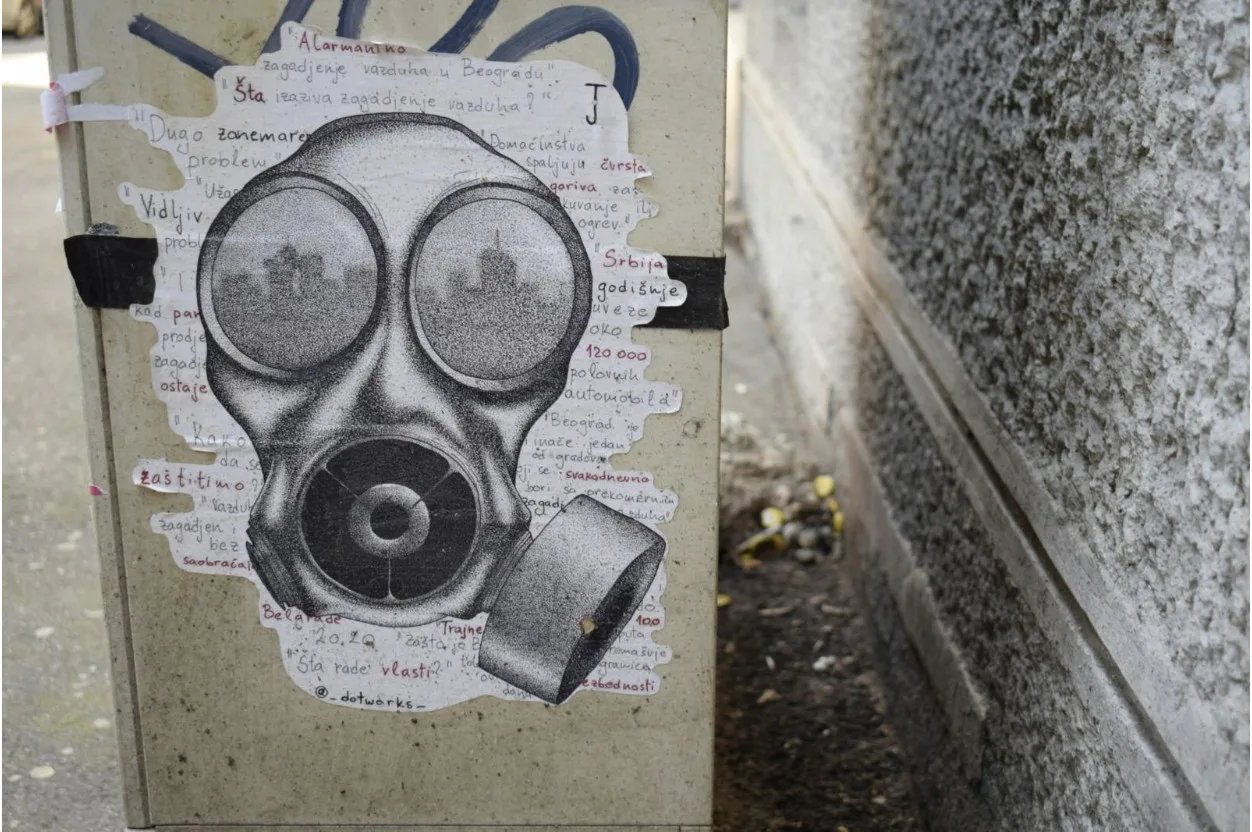
Photo Source: Photo by Marija Zaric. Via Unsplash/April 23, 2021.
15-03-2026 | Elisabedi Koridze | Middle East and Africa Team, Global Human Rights Defence.
Reportedly, the Israeli military illegally used white phosphorus munitions over homes in the southern Lebanese towns at the beginning of March 2026, posing a threat to civilians. Human Rights Watch verified and geolocated several images showing airburst white phosphorus munitions being deployed over a residential part of the town and the civil defence workers responding to fires in at least two homes and one car in that area. The researchers and experts believe that “The Israeli military’s unlawful use of white phosphorus over residential areas is extremely alarming and will have dire consequences for civilians. The incendiary effects of white phosphorus can cause death or cruel injuries that result in lifelong suffering.” Interestingly, this is not the first time Israel has used chemical weapons against civilians in Lebanon. The Israeli military also used white phosphorus between October 2023 and May 2024 across the border villages in southern Lebanon, which put civilians at grave risk and forced them to flee their homes.
White phosphorus is a chemical substance dispersed in artillery shells, bombs, and rockets that ignites when exposed to oxygen. Its incendiary effects inflict death or cruel injuries that result in lifelong suffering. It can set homes, agricultural areas, and other civilian areas on fire. The use of chemical weapons is regulated and prohibited by several treaties, including the 1899 Hague Declaration concerning Asphyxiating Gases, the 1925 Geneva Gas Protocol, the 1993 Chemical Weapons Convention, and the Rome Statute. The prohibition is also considered to be customary law in any armed conflict.
One of the most comprehensive regulatory regimes is set out in the 1993 Chemical Weapons Convention (CWC), which defines chemical weapons as “toxic chemicals and their precursors, except where intended for purposes not prohibited,” munitions exclusively designed for the delivery of toxic chemicals, and other equipment designed for use of such munitions. The CWC further defines a toxic chemical as “any chemical which through its chemical action on life processes can cause death, temporary incapacitation or permanent harm to humans or animals. This includes all such chemicals, regardless of their origin, or of their method of production, and regardless of whether they are produced in facilities, in munitions, or elsewhere.” The CWC prohibits the development, production, acquisition, stockpiling, retention, and transfer of chemical weapons, this prohibition applies under any circumstances and can therefore be regarded as absolute.
While there are some treaties in place to prohibit chemical weapons, they can be ineffective if the existing loopholes allow the Israeli military to deploy devastating substances, such as white phosphorus, in populated areas.
Tags: Chemical Weapon; White Phosphorus; Israel; Human Rights; International Law





Comments