
 By
By 
An agreement between Mongolia and the United Kingdom (UK) over the exploration and mining of minerals may cause severe issues for the livelihoods and environments of Mongolian herders, possibly jeopardising their human rights. Herders constitute a major factor in the Asian country’s economy, and their interests must not be overlooked because of the project.
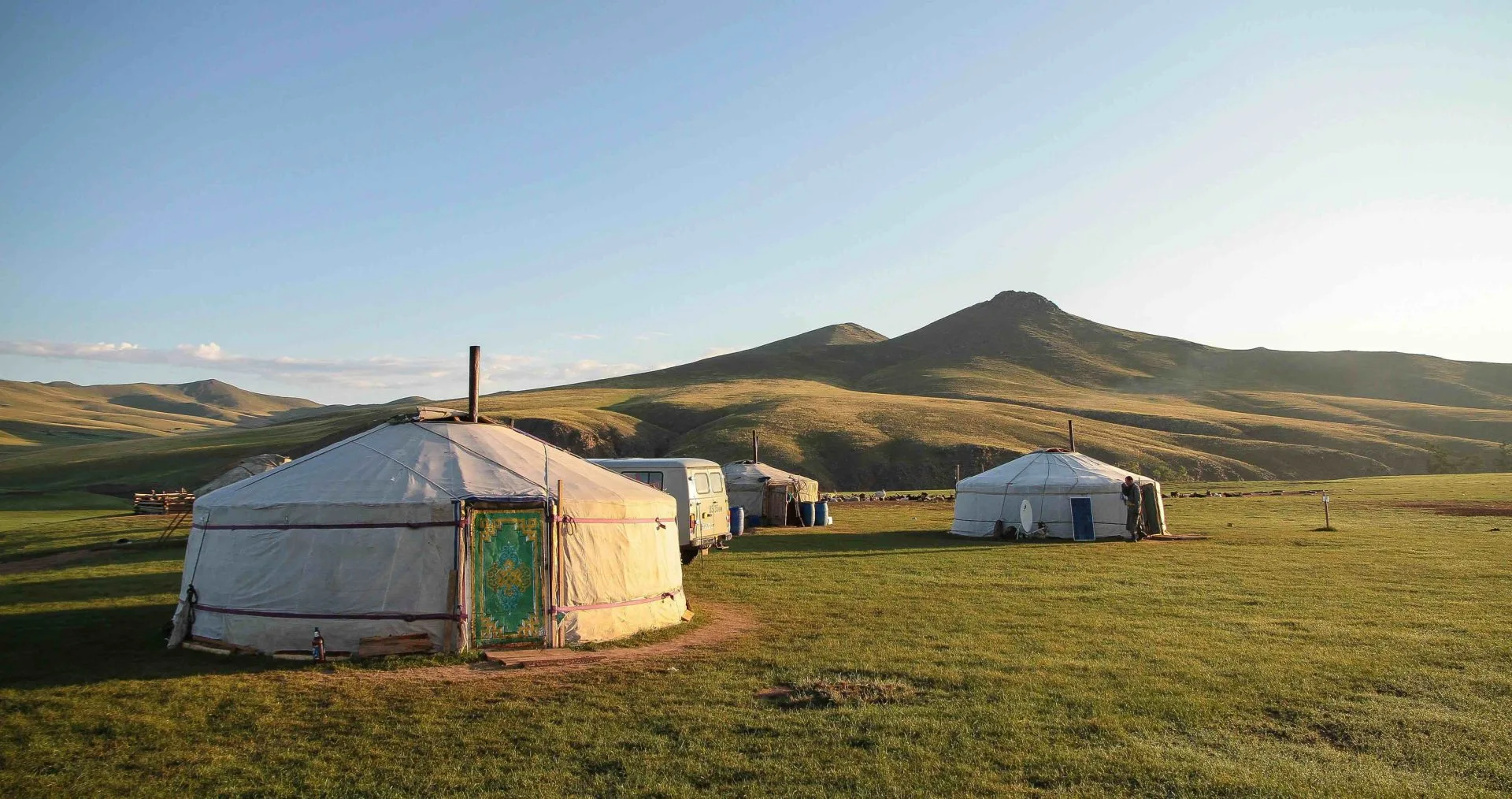
Photo source: Vince Gx, via Unsplash, December 4th, 2019.
23-01-2026 | Dominik Miklósi | Asia Researcher, Global Human Rights Defence.
In June 2025, Mongolia and the United Kingdom (UK) entered into an agreement concerning important mining cooperation between the countries. However, the collaboration may disregard the herders of Mongolia’s rural areas, as it aims to prospect, extract, and process minerals in the Asian state. Land expropriation through mining practices may lead to fractured pastoral systems. It could render necessities of pasturing (e.g., water) less accessible, thereby having adverse effects on surrounding herders. This has the potential to risk the sustainability of herders’ livelihoods, posing a threat to the full enjoyment of their basic human rights.
Pastoralism in Mongolia plays a substantial role in the country’s agriculture. Approximately 83 percent of production derives from the conventional pastoral livestock industry. This demonstrates not only the state’s heavy dependence on the sector’s success, but also the crucial contribution of herders to Mongolia’s economy.
As stated in the 2024 report of the United Nations’ Special Rapporteur, herders fall into the domain of mobile indigenous people. They are considered a defined subcategory of indigenous people within the framework of international law, who employ strategic moving and relocation to sustain their lifestyle and livelihoods. Under international standards, they are safeguarded by a series of significant instruments. These include, among others, the United Nations Declaration on the Rights of Indigenous Peoples and the Indigenous and Tribal Peoples Convention, 1989 (No. 169) of the International Labour Organisation (ILO).
Based on Article 14(1) of ILO Convention No. 169, “the rights of ownership and possession of the peoples concerned over the lands which they traditionally occupy shall be recognised”. It also states that necessary steps must be taken “[…] to safeguard the right of the peoples concerned to use lands not exclusively occupied by them, but to which they have traditionally had access for their subsistence and traditional activities”. Additionally, it emphasises the need to pay special attention to nomadic peoples in this regard, such as herders. Therefore, in the execution of their agreement, Mongolia and the UK must ensure that herders are not set aside in the decision-making processes in relation to land usage. The indigenous people’s concerns must be heard and addressed by including them in the mining cooperation’s planning.





Comments