
 By
By 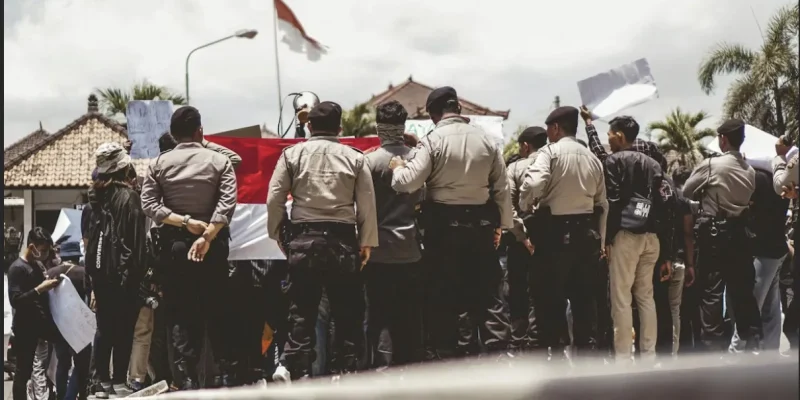
01-05-2026 | Luna Djellout | Asia Team Researcher, Global Human Rights Defence.
Protests in Papua turned violent as demonstrators demanded the withdrawal of Indonesian forces following a disputed military operation that reportedly killed civilians.
Violent clashes erupted on April 27, in the capital and largest city of the Indonesian province of Papua, Jayapura, on the island of New Guinea. It was reported that around 800 people gathered to protest against the presence of Indonesian military in the region and to request its withdrawal. Many of the protesters were students and civil society groups. The protest quickly escalated into violence after some participants threw stones at police which responded with tear gas and water cannon. At least five police officers are reportedly injured while no official figures were released regarding potential injured protesters. Despite these altercations, it was reported that the protest later continued in a more peaceful manner,
The protests were triggered after it was revealed that deadly military operation were conducted earlier in April in Central Papua. At the time, the Indonesian authorities claimed the operation’s goal was to target separatists fighter and that it resulted in the death of 15 people. However, the National Commission on Human Right (Komnas HAM) conducted an investigation and found that at least 12 of the persons killed were civilians, including women and children. Since then, Indonesian authorities have continued to deny the knowledge of any civilian casualties. These conflicting narratives led to public outrage and to the mobilisation of protesters.
The instability in Papua results from a long-running conflict which started with the territory integration into Indonesia in 1969. Since then, several clashes between security forces and separatists groups were reported. In August 2025 a similar situation occurred, some reports indicated that between nine and twelve civilians were killed during an operation in the village of Soanggama. Similarly, the Indonesian military denied and maintained they were armed separatists.

Comments