
 By
By 
12-05-2026 | Asia Team Researcher, Global Human Rights Defence.
The 25th World Press Freedom Index reveals a critical decline in media liberty across the Asia-Pacific.
The state of global press freedom faces a critical moment in time, particularly within the Asia-Pacific zone, where 21 of the 32 assessed countries are now classified as having a situation that is either “difficult” or “very serious” within the domain. Indeed, according to the 25th World Press Freedom Index released in early May 2026, the region is one of the most repressive in the world, characterised by a systematic campaign to weaponise legal tools against those who report the news.
The most alarming trend highlighted in the report is the criminalisation of journalism. In authoritarian regimes, the line between legal governance and human rights violations has blurred as states increasingly aim to terrorise the press. For instance, China (ranked 178th) remains the world’s largest jailer of journalists with 121 media professionals currently imprisoned. The government has dramatically expanded its “repressive toolkit”, using a raft of national security laws to silence dissent. Similarly, in North Korea (ranked 179th), independent journalism is banned, and the regime remains one of the most sealed-off globally. In fact, in 2025, Amnesty International was already calling on the government of North Korea to “urgently repeal all laws that unjustly criminalize access to information, including the 2020 Anti-Reactionary Thought and Culture Act”. The Korean Central News Agency (KCNA) remains the only media allowed and falls under the control of the supreme leader, Kim Jong-Un. Furthermore, in the Philippines (ranked 114th), authorities also have adopted a similar method to silence critics, as they often appeal to “terrorism charges” as seen with Mae Cumpio, who has been held for six years on fabricated charges.
For the first time, there is no country from the Asia-Pacific region in the top 20 of the ranking. Three countries allow for exceptions. New Zealand (ranked 22nd), Taiwan (ranked 28th), and Australia (ranked 33rd) have been evaluated to have broadly protective environments.
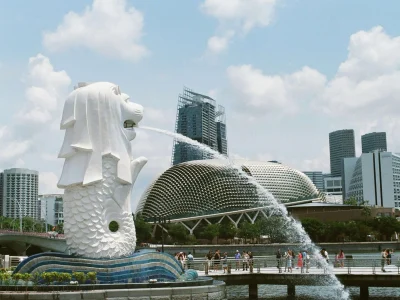
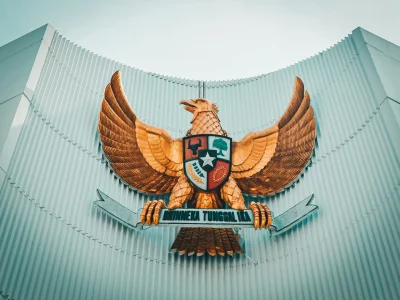
Nonetheless, in other countries known to be democratic environments, the situation is overall deteriorating. In India (ranked 157th), journalists face intensifying judicial harassment and the misuse of criminal statutes, such as “defamation”. Countries neighbouring China, like Vietnam (ranked 174th) and Myanmar (ranked 166th), have modelled their own “cybersecurity” laws on the Chinese framework, using them as primary instruments for online censorship and propaganda. In addition, countries like Indonesia, Singapore, and Thailand have all gone down in the ranking compared to the previous year, mainly because of the increase in the elitist use of SLAPPs (Strategic Lawsuits Against Public Participation) to exploit legal frameworks that offer little protection to the press. Indeed, a UN Human Rights report confirms that SLAPPs mainly target “activists, journalists, environmental campaigners, human rights defenders, academics, and non-governmental and media organisations” and participate in creating a climate of fear around investigative reporting.
Since free and independent journalism is essential for protecting human rights, the situation of the Asia-Pacific region raises concerns over growing threats to democracy and its crucial institutions. In a region where the right to reliable information is being damaged, the 2026 World Freedom Index paints a dark picture where the law is increasingly used to dismantle the right to freedom of expression instead of protecting it.

Comments