
 By
By 
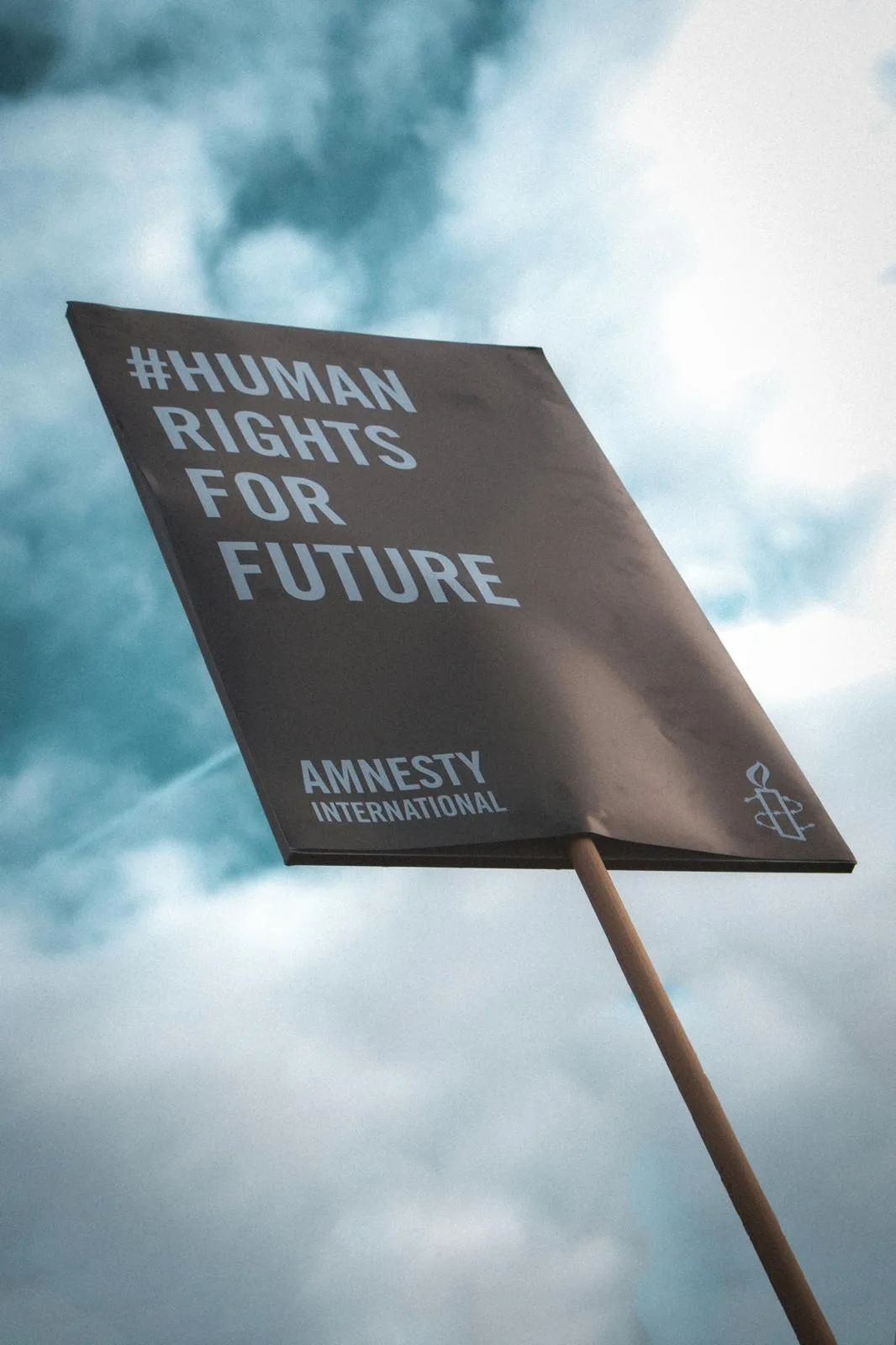
Lue via Unsplash, 17-01-2020.
12-03-2026 | Ypke Wu | Middle East and Africa Researcher, Global Human Rights Defence.
Angolan President Lourenço signed into law the new legislation regulating nongovernmental organizations (NGOs) and other civil society organisations operating within the country. Critics have warned that the new law threatens freedom of association and expression under international human rights law.
The law came into force on March 2nd, granting the Angolan government wide discretionary powers to control civil society under the guise of security threats. It was first introduced in 2023 under the auspice of addressing money-laundering and other dubious purposes. This indiscriminately labels NGOs unlawfully and allows government intervention into NGO operations.
Angola is a party to the International Covenant on Civil and Political Rights (ICCPR). With over 400 NGOs operating in Angola, this law not only violates Angola’s international human rights obligations, but also severely threatens the democratic structure by shifting control over to administrative authorities.
While legislators have cited transparency and security reasons for the enactment, it also comes into force at a time when the Angolan government has systematically increased restrictions on rights and freedoms. Human Rights Watch has found several provisions to be incompatible with human rights standards. It calls out the new law for its lack of judicial oversight, vague definitions, and its potential abuse and misuse of private information.
Within the last two years, the President has signed into force the Law on Crimes of Vandalism of Public Goods and Services, the National Security Law, and the draft Online Disinformation Law. These increasing restrictions essentially criminalise peaceful protests and restrict media outputs, transforming rights into acts subject to government discretion. It signals a broader trend of expanding government control while shrinking civil space.
Unfortunately, this development in Angola is in line with the global trend of restricting civic spaces in authoritarian regimes, citing counterterrorism policies to silence human rights activists.
Topic: Free Speech
Comments