
 By
By 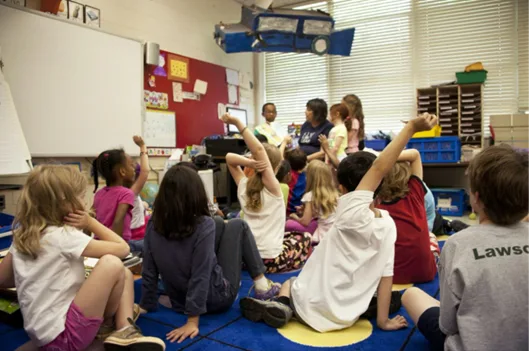
10-11-2025
Nabil Ruhaizat
Asia Team Researcher,
Global Human Rights Defence.
In one Suva kindergarten, a dispute over toys now ends with four-year-olds naming their feelings and agreeing to share. For their teacher, it shows that simple social and emotional learning (SEL) tools can turn everyday conflict into an opportunity to practise self-control, empathy, and problem-solving. UNESCO’s recent programme in Fiji, Cambodia, and Vietnam trains teachers to incorporate calm breathing, emotion charts, and guided conversations into regular lessons, rather than as extra activities.
Children are learning in volatile environments, where cyclones, floods, displacement, loss and high rates of violence against children are constant. Many arrive at school anxious, tired or distressed. At the same time, teachers report high stress and receive limited preparation on how to support pupils’ emotional needs or their own well-being. UNICEF’s regional data underline that safe schools, counselling and protection systems are urgent, not optional. Mental-health supports and clear referral pathways are central to this work.
Fiji’s Ministry of Education now reflects this shift in its education plans, which link student wellbeing, favourable school climate and child protection. SEL training, based on UNESCO’s APETT-SEL handbook, aligns with existing national goals and values such as veiwekani (relationships), veidokai (respect), and veilomani (care). The focus is practical: give teachers routines they can actually use in crowded classrooms, ensure school leaders support them, and connect schools to protection services when risks of abuse or neglect are identified.
The evidence base is consistent and accessible. School-based SEL programmes are associated with better classroom behaviour, improved peer relationships and higher academic performance. Reviews of global interventions demonstrate gains in learning outcomes and reductions in distress when teachers are properly trained and interventions are effectively integrated, rather than implemented ad hoc. SEL is therefore not a distraction from core subjects; it is one of the most efficient ways to keep children present, focused and safe enough to learn.




Comments