
 By
By 
Hong Kong’s West Kowloon Magistrates’ Court convicted Kwok Yin-sang, father of US-based democracy activist Anna Kwok, for attempting to manage funds belonging to his daughter, who is targeted with arrest warrants under the city’s National Security Law. The case marks the first use of the homegrown security law against a relative of an overseas activist and raises serious human rights concerns.

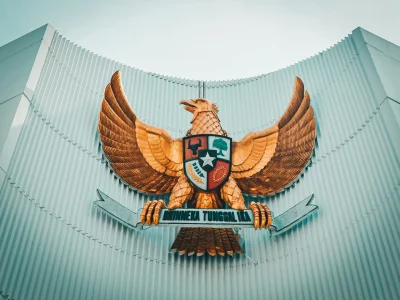
Photo source: Ernie A. Stephens, via Unsplash, July 7th, 2021.
13-02-2026 | Roberta Moisuc | Asia Team Researcher, Global Human Rights Defence.
On February 11th, 2026, a Hong Kong Court convicted the father of a democracy activist based in the United States, Anna Kwok, for a national security crime that raised concerns about the escalation of attempts to silence activists living abroad. He is the father of Anna Kwok, the former executive director of the Hong Kong Democracy Council in Washington DC.
Ms. Kwok’s father and brother were arrested on April 30th, 2025, on suspicion of “attempting to deal with directly or indirectly, any funds or other financial assets or economic resources belonging to, or owned or controlled by, a relevant absconder”. In July 2023, Anna Kwok was one of many overseas activists who were targeted with arrest warrants and bounties under the city’s China-imposed National Security Law. She is accused of colluding with foreign forces.
Mr Kwok is the first person to be charged under Hong Kong’s National Security Law, also known as Article 23. He was accused of trying to withdraw funds from an education savings insurance policy he bought for Anna Kwok when she was almost two years old. Mr. Kwok claimed that: “I know my daughter is wanted by the security bureau. I was the one paying for her insurance policy. Since she’s no longer in Hong Kong, I just cut it”. The judge found that when Kwok attempted to cancel the policy, he was aware he was administering funds that belonged to an absconder. He has not been given a sentence yet, and the maximum penalty for this crime is seven years in jail.
The conviction has raised serious human rights concerns. Using the Hong Kong National Security Law to prosecute the family members of overseas activists marks a troubling escalation in efforts to silence dissent beyond Hong Kong’s borders. Targeting of family members constitutes transnational repression to suppress critics, jeopardising fundamental freedoms, and heightening concerns over the continued erosion of civil liberties.





Comments