
 By
By 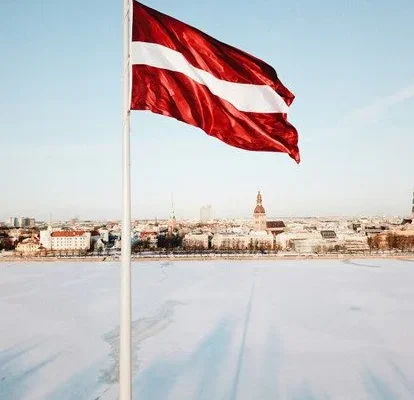
06-11-2025
Jasmin Kaur Rajwant
Europe Team Researcher,
Global Human Rights Defence.
On November 5th, 2025, Latvia’s parliament, the Saeima, postponed whether to withdraw from the Council of Europe Convention on the Prevention and Suppression of Violence against Women and Domestic Violence, commonly known as the Istanbul Convention for another year. On October 31st, 2025, Saeima had previously voted for Latvia to withdraw. The decision to postpone came after public backlash and a request from Latvia’s President Edgars Rinkēvičs for a further review of the matter.
The Convention is an international human rights treaty, which opposes violence against women and domestic violence. 56 lawmakers voted to withdraw from the treaty, claiming that it promotes ‘radical feminism’. Many conservative and religious groups in Latvia have previously opposed the Convention as they claim that it promotes ‘gender ideology’, whereas advocacy groups argue the instrument is crucial for the protection of women in Latvia. There were 32 lawmakers who voted for the international law treaty to stay in place, and there were two abstentions. On October 29th, 2025, a mass protest took place near the Saeima building in Riga, expressing dissatisfaction with the withdrawal. This showed that members of the Latvian community saw the debate on the exit from the Convention as problematic.
President Edgars Rinkēvičs had asked the parliament to reevaluate the withdrawal, as he believed this could potentially harm Latvia’s international standing, and raises questions about whether Latvia is even ready to fulfill international obligations in good faith. Countries that have adopted the Istanbul Convention needed to ensure that the policy adopted was coherent and that members cooperate with civil societies, media, and NGOs, to ensure the data and statistics on cases of violence against women and domestic violence were compiled.
The Council of Europe has emphasised that the Convention is of great importance as violence against women, especially domestic violence remains a serious concern in all European societies, regardless of their level of progress.
Latvia would become the first European Union member to withdraw from the Convention, if Saeima decides to enforce the decision in a year. Latvian authorities have long been considering opting out of the Convention. Saeima’s vote reflected a rise in conservative values across Europe and raises questions about the political climate and the protection of women in the country.


Comments