
 By
By 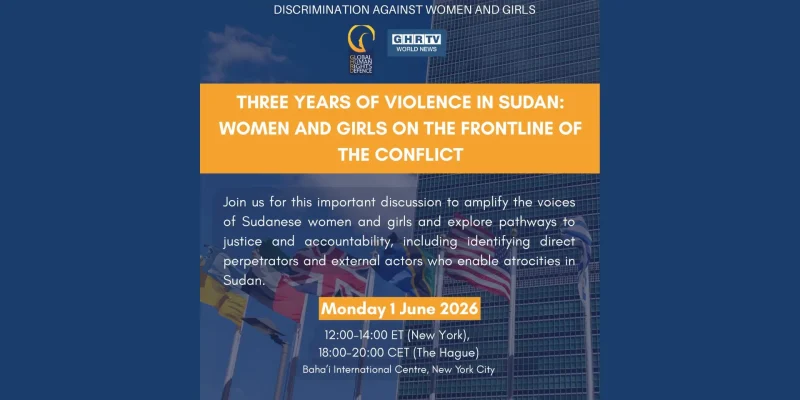
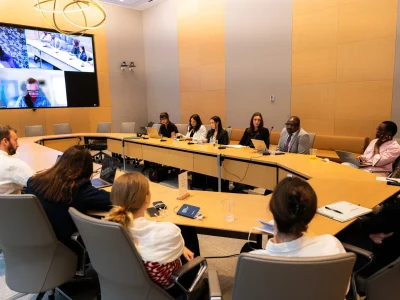
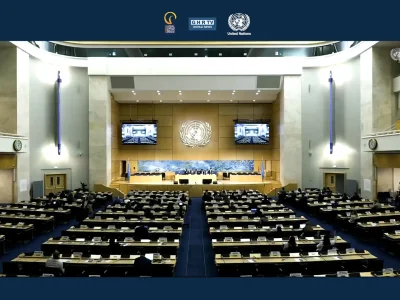
On Monday 1 June 2026 (TBC), during the 44th session of the Working Group on discrimination against
women and girls at the UN headquarters, Global Human Rights Defence will host a side event at the
Baha’i International Centre: Three Years of Violence in Sudan: Women and Girls on the Frontline of the
Conflict.
On 13 April 2026, Sudan marked three years of conflict defined by systematic brutality and a flagrant disregard
for the most basic norms of international law.1 While civilians continue to endure the most severe violations,
credible allegations of the gravest international crimes persist.2 Widespread violations have been documented,
including killings, arbitrary detention, torture and other forms of inhumane treatment, enforced disappearance,
and sustained attacks on civilian infrastructure such as residential areas, food systems, and medical facilities,
resulting in the worst humanitarian and displacement crisis, with women and girls among the most severely
affected groups.3
Conflict-related sexual violence has also escalated since the intensification of the conflict in April 2023.
Following the fall of El Fasher, survivors have reported rape and other forms of severe abuse and intimidation
by the Rapid Support Forces during the siege, as well as accounts of systematic sexual violence along exit
routes from the city as they sought safety.4 Recent mapping indicates that South Kordofan is now the main
hotspot for gender-based violence outside Darfur.5
As the crisis deepens, several United Nations officials have called for an end to external interference that
continues to fuel the conflict through financial assistance, logistical support, and the supply of weapons, enabling atrocities to continue.6 Recent investigations by The New York Times, other media outlets, and civil
society organisations have also exposed well-established networks that allow the parties to the conflict to
sustain the violence, in particular the United Arab Emirates, which has long-standing ties with RSF leadership
and is contributing to the ongoing conflict for strategic interests.7
At a time when the situation in Sudan demands urgent international attention, this panel will examine
how to address conflict-related sexual violence. It will also explore how the collection and preservation
of evidence can support accountability mechanisms, including by identifying the perpetrators of these
crimes and the external enablers who may also be held accountable.
Comments