
 By
By 
In January 2026, Labour and National Party politicians jointly advanced the Modern Slavery Bill in the Parliament of New Zealand despite objections from a third political party. Aimed at reporting on exploitative practices committed by larger businesses towards their employees, the legislation would establish a significant framework in effectively defending human rights if enacted.
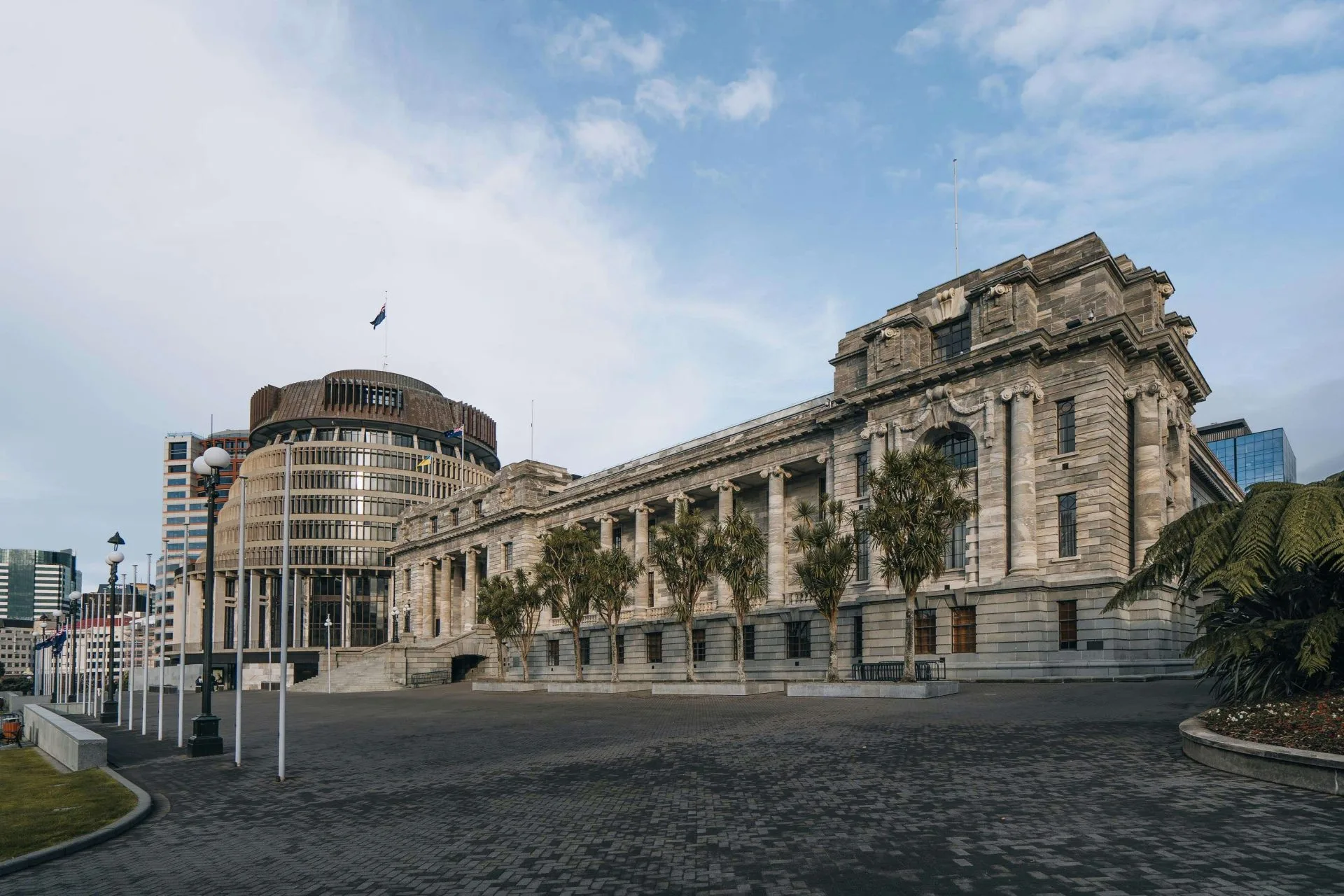
Photo source: Koon Chakhatrakan, via Unsplash, July 13th, 2022.
12-02-2026 | Dominik Miklósi | Asia Researcher, Global Human Rights Defence.
In late January 2026, members of the Labour and National parties in the Parliament of New Zealand propelled legislation addressing modern slavery forward. Although it was objected to by the representatives of the David Seymour-led ACT New Zealand (a smaller political party), the bill passed by invoking a parliamentary rule for the first time in the country’s history. As modern slavery inherently contravenes human rights standards, this legislative step marks an important development in relation to safeguarding fundamental freedoms.
The provision, namely Standing Order 288 or the Rule of 61, supersedes the conventional ballot procedure. It enables bills to pass when endorsed by at least two-thirds (61) of non-executive Members of Parliament to enter the first reading stage. As a result of utilising the Rule of 61, the jointly backed Modern Slavery Bill is now at the initial stage of parliamentary consideration. World Vision’s Head of Advocacy and Justice, Rebekah Armstrong, praised the development, saying that “After years of advocacy and widespread public support, politicians from across the aisles are finally moving to make modern slavery legislation a reality”. Furthermore, she highlighted the global human rights implications, adding that “This move means New Zealand is at last playing its part to help end modern slavery for more than 50 million people worldwide, including 8,000 right here in New Zealand”.
The Modern Slavery Bill is aimed at establishing the country’s first legislative framework for reporting on modern slavery. It comprises multiple innovative and relevant elements, such as obliging major private sector entities in New Zealand to report yearly on modern slavery. For transparency and accountability purposes, this is accompanied by public disclosure of modern slavery statements in an online and accessible repository. Additionally, the legislation details a set of reporting criteria, enforcement mechanisms (e.g., monetary punishments), and the role of the New Zealand Human Rights Commission in the process.
Despite not being an official law yet and awaiting its first reading before the Parliament, the Modern Slavery Bill demonstrates New Zealand’s proactive approach in combating exploitative practices towards labourers, thereby promoting international human rights as well.






Comments