
 By
By Alexa Sporner | Asia Team Researcher

Photo Source: Sheila C, via Unsplash, published on January 25, 2025
Sri Lanka makes new progress in the fight against global warming, as the new National Climate Finance Strategy aims to target the harmful effects of climate change in the economic sector.
In recent years, Sri Lanka has made significant progress regarding creating a climate smart environment. According to the World Bank, after the economic crisis in Sri Lanka, the country is transitioning its economics to become more environmentally sustainable. Sri Lanka is one of the few countries where global warming became extremely alarming, as the average temperature in the country is 27-30 °C.
Recently, Sri Lanka released its National Climate Finance Strategy [PDF] for the 5-year-period of 2025 and 2030. This plan highlights the country’s efforts towards addressing climate related challenges, and provides a framework in how a stable financial structure can deduct the risks caused by global warming. According to the plan, Sri Lanka’s National Budget Department of the Ministry of Finance in collaboration with the United Nations Development Programme (UNDP) is currently conducting a review on how public resources are being used in Sri Lanka to target climate change. Additionally, the plan is providing a detailed structure on how financial and risk management opportunities can protect citizens from the harms of climate vulnerability.
In addition to Sri Lanka’s own climate actions, in May of 2025, the United Nations Women-led report [PDF] was published on climate responsibility in Sri Lanka. This report emphasised that climate change in Sri Lanka is now reshaping the everyday lives of many people, and how gender, ethnic, and other minorities are particularly vulnerable to the damages of climate change.
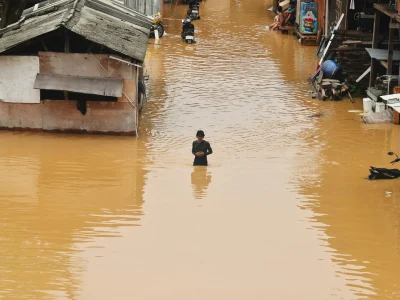
At the same time, Groundviews published an article on how climate change is affecting the lives of thousands of people. The agriculture suffered extreme harm due to the unusual rising of the water level, and the problem also highlighted the lack of communication between the agricultural sectors and the government.
The new plan of action of the Sri Lankan government reportedly aims to target these problems. The World Bank’s report shows that the Sri Lankan government is currently focusing on three changes: supporting farmers with climate-smart practices and access to new and modern systems, improving public transport and creating more green public spaces, and investing in renewable energy.
Although there is a long way to go in Sri Lanka’s climate resilience, the National Climate Finance Strategy shows the government’s dedication to reducing the effects and harms of global climate change.



Comments