
 By
By 
Elisabedi Koridze | Europe Team
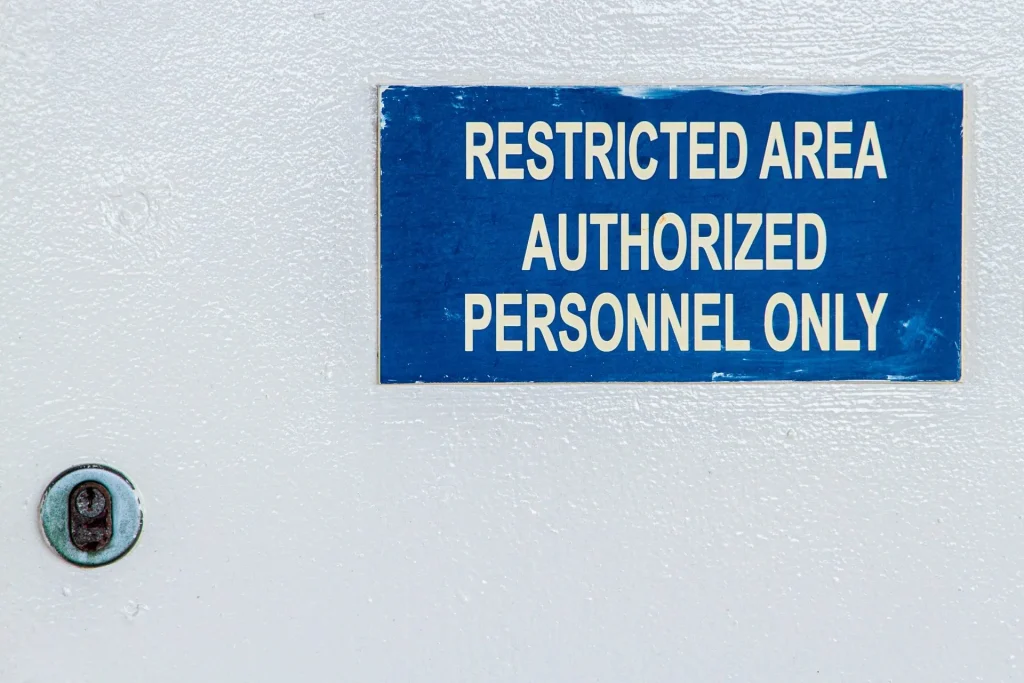
By Jarrod Erbe, via Unsplash/ March 7th, 2021.
The new visa-free suspension mechanism directly affects third-country officials.
At the beginning of October 2025, the European Parliament decided to adopt a more flexible visa suspension mechanism for third-country nationals travelling into the Schengen Area. More specifically, the Parliament set new grounds for suspending visa-free access to the European Union (EU), for example, human rights violations and failure to comply with the international court decisions. This new mechanism allows the European Commission to reintroduce visa requirements for specific countries when there are security concerns. Moreover, this new suspension mechanism will give the EU more flexibility to suspend visa freedom for government officials who bear the responsibility for human rights breaches and other violations.
The measures apply to all 61 countries that enjoy a visa-free regime with the EU, including Western Balkans, Moldova, and Ukraine. However, as European diplomats have admitted, the proposed suspension mechanism is targeted at another country still enjoying EU visa liberalisation, and this country is Georgia.
The relationship between Georgia and the EU deteriorated after parliamentary elections in October 2024, which the ruling Georgian Dream Party rigged and then decided to halt accession talks with the EU, while also adopting pro-Russian laws and policies. Since October 2024, the EU has refrained from high-level political contacts and made it easier for EU Member States to impose financial sanctions on Georgian officials and Members of Parliament.
In July 2025, the EU warned the Georgian government about the possible suspension of visa-free travel privileges if several conditions were not met by the end of August 2025. The Georgian government responded, but with the response the EU would want to hear.
Will the entire Georgian population suffer because of government officials?
Reportedly, one of the changes specifically targets Georgia. More specifically, the EU can limit the visa-free regime to ministers and officials. The entire population may be unaffected during this period of time. Regular citizens will only be affected if the country fails to be removed from the visa-free list after three years.





Comments