
 By
By 
10-11-2025
Nabil Ruhaizat
Asia Team Researcher,
Global Human Rights Defence.
James Marape, the Prime Minister (PM) of Papua New Guinea, has recently scrutinised the upcoming UN climate conferences as “long on talk and short on action.” The PM indicated that Port Moresby representatives will judge the COP30 by what is delivered, and not only on what is promised. For a high-risk, low-emitting state like PNG, speeches are only credible when translated into an accessible, long-term plan of action.
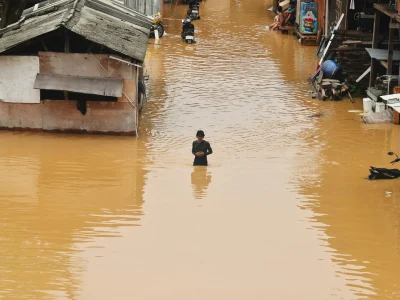
From the perspective of Port Moresby, action takes the form of predictable financing for forest protection, loss and damage resulting from disastrous events, and the development of climate-resilient infrastructure and health systems. The cyclones, floods, and landslides that the country faces impose severe costs, and the project-by-funding system, along with the slow disbursement, does not match the magnitude of these impacts.
Marape’s stance is echoed throughout the Pacific, as they bear the brunt of climate change effects. The position of the Pacific is therefore rooted in the notion that large emitters must phase down their fossil fuel use, meet existing climate commitments, and ensure that climate financing is fair, transparent and accessible. PNG’s forests hold remarkable carbon and biodiversity value, but to protect them, there must be codified partnerships that are equitable to the land and to the locals.
Marape and his team will closely observe the Belem COP 30 summit. Negotiators are expected to agree on a post-2025 finance goal and make loss-and-damage, and carbon market mechanisms workable. For PNG, success is straightforward and takes on the form of clear and actionable plans for the future.



Comments