
 By
By 
Rati Kobakhidze
Ahmet Yüksek, April 24, 2025
EU and NATO member states withdraw from the anti-landmine treaty due to the security risks coming from Russia
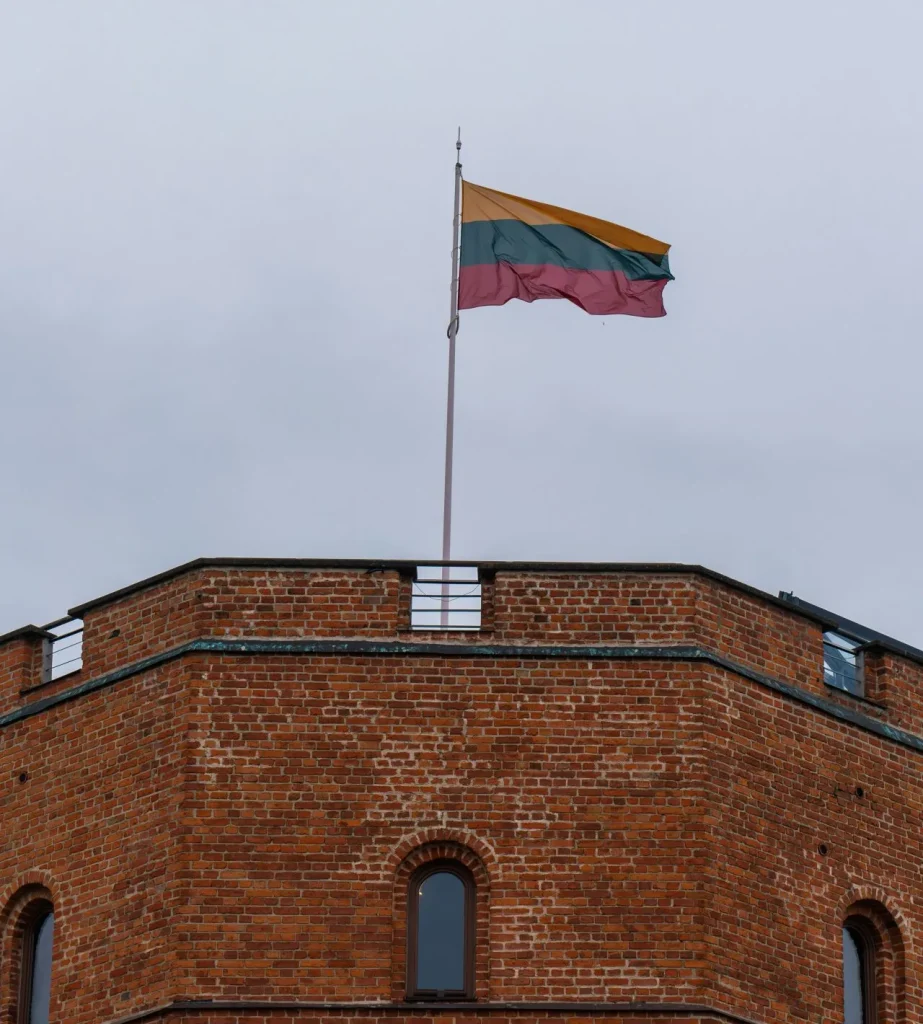
Five EU and NATO member states – Lithuania, Latvia, Estonia, Poland and Finland started procedures to withdraw from the Ottawa Convention, an international treaty banning anti-personnel mines, in response to growing concerns over Russia’s growing military threat to its bordering NATO member states. Ukraine has also shared its plan to withdraw from the treaty.
The Baltic states have already informed the United Nations of their withdrawal from the Ottawa Convention banning anti-personnel mines. The Polish and Finnish parliaments have also overwhelmingly supported proposed bills for withdrawal from the treaty.
The decision is based on the recommendation of ministers of defence of Baltic states and Poland expressed in a unanimous statement that said: “in the current security environment, it is paramount to provide our defence forces flexibility and freedom of choice to potentially use new weapons systems and solutions to bolster the defence of the alliance’s vulnerable eastern flank.”
The 1997 treaty prohibits the production, possession, and transfer of anti-personnel mines, which are designed to be hidden under the ground and have killed or maimed thousands of civilians globally, often long after a conflict has come to an end. Russia is not a signatory to the treaty.
Sources and further readings:
Baltics and Poland announce planned withdrawal from landmine treaty
Finland votes to withdraw from landmine treaty due to Russia threat
Kyiv plans exit from anti-landmine treaty as mines litter Ukraine




Comments