
 By
By 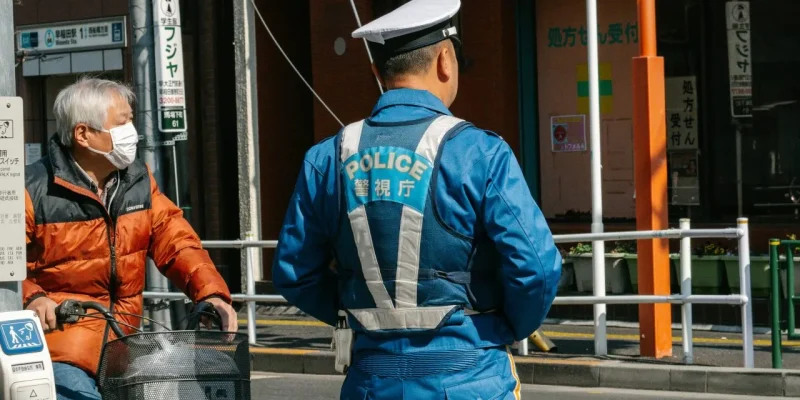
August 15th, 2025
Alexa Sporner
Asia Team Human Rights Researcher,
Global Human Rights Defence.
Survivors of Japan’s so-called “hostage justice” system filed a lawsuit in Tokyo at the end of March this year, claiming violations of their rights under Japan’s Constitution due to unlawful pre-trial detention and the refusal to bail. The complainants claim that the length of the pre-trial detention under Japan’s Criminal Code is unconstitutional and they seek compensation for the violations they endured (Human Rights Watch, 2025). Tomoya Asanuma, one of the four complainants, claims that police officers tried to force a confession on him, while Yo Amano, another plaintiff claims that he has been treated as a prisoner from the moment of his arrest, and he has been in detention for six years, while the Japanese authorities did not even allow proper medical examinations (France 24, 2025).
This is not the first time Japan has faced criticism over its justice system. In 2016 the Japanese authorities arrested Mr. Nakamura, who was refused to grant bail despite his lawyer proving that he is battling cancer. In 2017, Tomo A. where he spent 9 months in prison awaiting trial, and tried to force him to confess the crime. According to Human Rights Watch, even though Japan’s system is accepted as fair and impartial internationally, the issues of the criminal system are widely known in the country (Human Rights Watch, 2025).
As Japan is a party to the International Covenant on Civil and Political Rights (ICCPR), it is bound under international law to ensure fair trial rights and the right to be considered innocent until proven guilty (Human Rights Watch, 2025). Although the Constitution of Japan follows the ICCPR’s rules under Article 319 of the Criminal Code of Japan that ensures the inadmissibility of evidence if it is obtained unlawfully, it is still reported that Japanese police use verbal violence and intimidation to make people confess to a crime. By undermining these rules, Japan is severely violating international law and the international standard for treating criminal suspects with dignity and following due process, as well as leading to many false convictions (Ito, 2012).
The lawsuit brings new light to the human rights violations of the Japanese authorities, and it gives hope for reform of the Japanese criminal justice system.
References:
Ito, K. (2012) Wrongful convictions and recent criminal justice reform in Japan. University of Cincinnati Law Review, 80(4), pages 1245-1276 <https://heinonline.org/HOL/Page?handle=hein.journals/ucinlr80&div=50&g_sent=1&casa_token=q-9aKmP391wAAAAA:uDtGoQRx6P3fr4HdE7dBrzNS0UjFDcQn_UcUg3hLIO7sey4Xnprpd3hLU14imO1z45fYI8M&collection=journals>
Yoshioka, R. (2025, March 24), Survivors Bring Case to End Japan’s ‘Hostage Justice’ – Lawsuit Seeks Compensation for Criminal Procedure Code Violations. Human Rights Watch, Asia Division, accessed on the 13th August 2025 <https://www.hrw.org/news/2025/03/24/survivors-bring-case-end-japans-hostage-justice>
Human Rights Watch (2025, May 25) Japan’s “Hostage Justice System” – Denial of Bail, Coerced Confessions, and Lack of Access to Lawyers, accessed on the 14th August, 2025 <https://www.hrw.org/report/2023/05/26/japans-hostage-justice-system/denial-of-bail-coerced-confessions-and-lack-of>
France 24 (2025, July 7) Pressed to confess: Japan accused of ‘Hostage Justice’, accessed on the 14th August 2025 <https://www.france24.com/en/live-news/20250707-pressed-to-confess-japan-accused-of-hostage-justice>





Comments