
 By
By 
The United Nations Human Rights Council’s (UNHRC) Universal Periodic Review (UPR) Working Group addressed the progress made by Nauru on a broad range of human rights issues at its 51st session in Geneva. The delegation of New Zealand actively participated in the discussion through recommending various actions for Nauru to take.
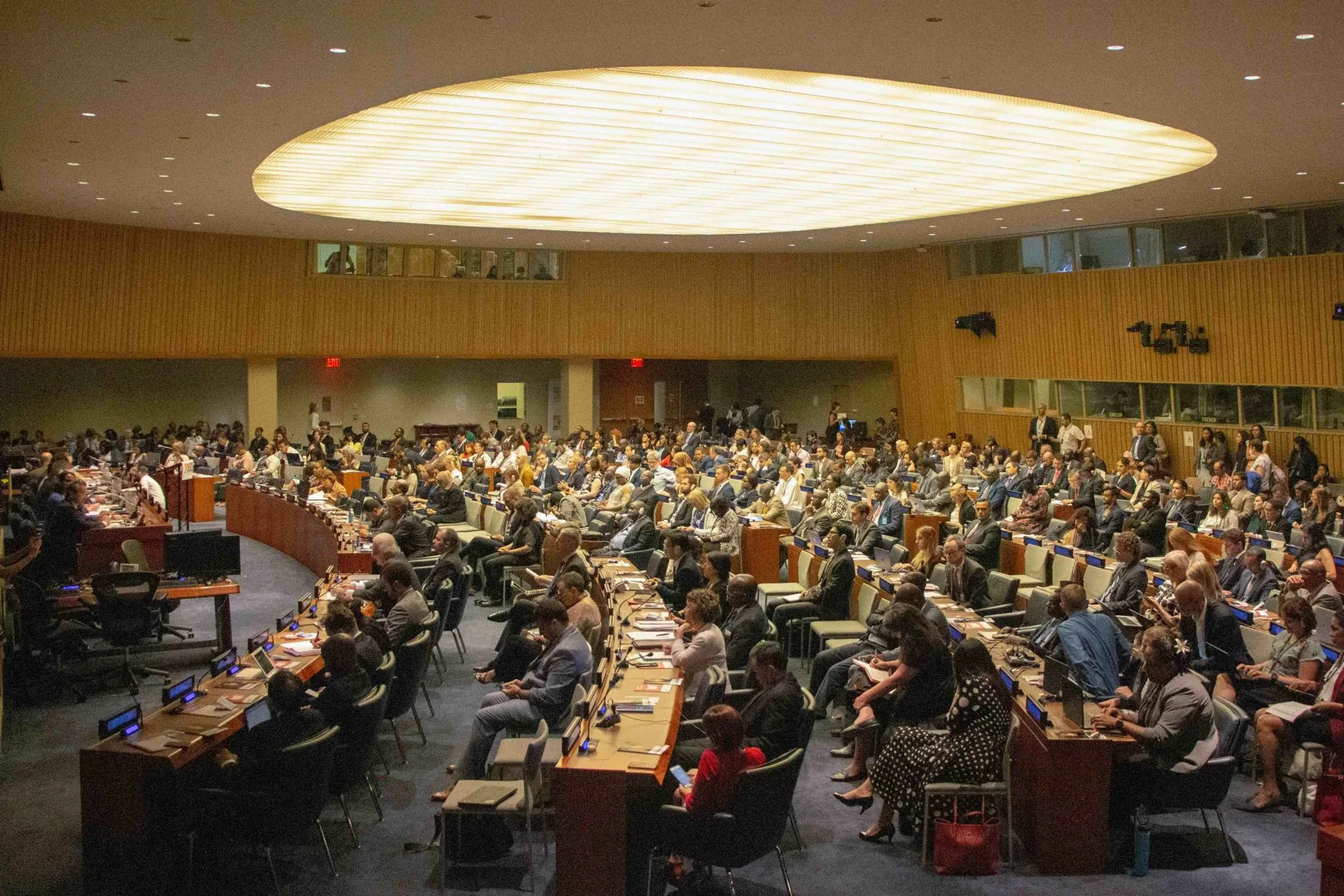
Photo source: Matthew TenBruggencate, via Unsplash, December 4th, 2020.
23-01-2026 | Dominik Miklósi | Asia Researcher, Global Human Rights Defence.
On January 20th, 2026, the United Nations Human Rights Council’s (UNHRC) Universal Periodic Review (UPR) Working Group evaluated Nauru’s human rights situation. The discussion ranged from domestic matters, such as the institutional framework of the island state, to global issues, including the problems it is facing due to climate change. New Zealand was also represented at the roughly two-and-a-half-hour session. The delegation was led by Ms. Deborah Mary Geels, Permanent Representative to the United Nations (UN) in Geneva.
UPR embodies an examination by the UNHRC of the state of human rights that takes place every five years in the case of each UN Member State. It is a massive opportunity for countries to showcase their adherence to international standards and their commitment to uphold existing human rights mechanisms. Until now, New Zealand has been subject to four cycles of UPR, with the most recent session taking place on April 29th, 2024.
New Zealand has provided a set of important and explicit recommendations for Nauru under the review process. First, it proposed persisting in attempts to develop social protection systems through facilitating data gathering and monitoring mechanisms to guarantee outreach to women, persons with disabilities, and other marginalised parts of the population. Second, New Zealand encouraged the ratification of the International Covenant on Civil and Political Rights. Third, it recommended that Nauru become a party to the International Covenant on Economic, Social, and Cultural Rights. Fourth, it advocated the assessment of high visa charges for foreign news outlets with the aim of enhancing broad media access and freedoms.
The recommendations made by the delegation of New Zealand were welcomed during the session by the recipient state and will be considered by the Government of Nauru. Their implementation could constitute a significant leap towards the strengthening of human rights conditions, showing an example in this aspect for other nations worldwide.




Comments