
 By
By 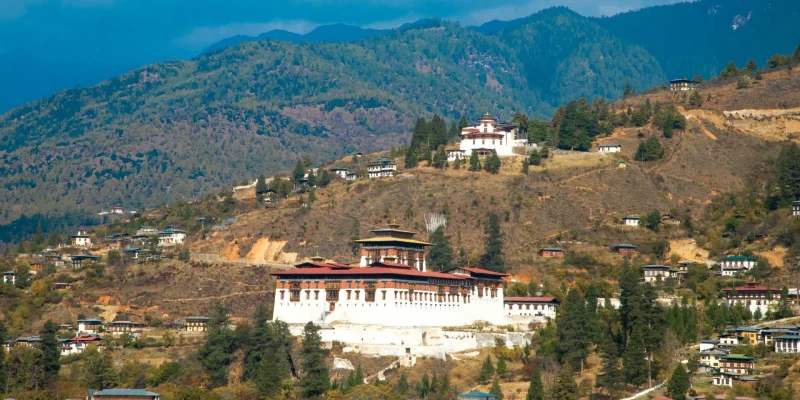
August 15th, 2025
Alexa Sporner
Asia Team Human Rights Researcher,
Global Human Rights Defence.
Lhotshampa refugees were denied entry to Bhutan after they were deported back from the United States, leaving them stateless.
The Lhotshampa group is a Nepali-speaking ethnic group, and due to their differences in culture, religion and ethnicity, they have been treated as minority in Bhutan for decades. In the late 20th century, the Bhutanese authorities started the so-called “Bhutanisation” process and declared an ethnic cleansing policy that resulted in the mass migration of thousands of Lhotshampa people. In the 1980s, the Bhutanese government implemented a new Citizenship Act, which included revoking of citizenship, as well as they prohibited teaching of Nepali language in schools and communities intending to create a unified nation (Chettri-Gadde & Gadde, 2024).
After the implementation of the new policies, the Lhotshampa people were forced to stay in refugee camps in Nepal, until the UN started a refugee programme that helped them resettle among other countries, in the United States, Canada and Australia (Harvey & Ghimire, 2025).
Following the recent political changes in the US, many Bhutanese refugees were deported from the country, forcing them to return to refugee camps and leaving them stateless as they lost their Bhutanese citizenship when they left the country. Many people live without a valid identification or any valid document, making it harder for them to make a living. They believe that if they return to Bhutan, they will be imprisoned and separated from their families (Harvey & Ghimire, 2025). The few Lhotshampa people that were not deported in the 1990s have been detained in prison for the past couple decades in Bhutan referring to political crimes or serious crimes under Bhutanese security laws after they participated in a peaceful protest against the mistreatment of Bhutani minorities. Based on the United Nations High Commissioner for Refugees (UNHCR)’s report, these imprisonments violate human rights, as no one should be punished for exercising their right to freedom of expression by peacefully protesting (OHCHR Press Release, 2025).
The issue of statelessness is considered a human rights crisis, and it is governed by international law. The United Nations (UN) implemented two conventions that aim to prevent and resolve statelessness: The 1955 Convention relating to the Status of Stateless Persons and The 1961 Convention on the Reduction of Statelessness. Although the conventions are only binding to countries if they are ratified, the UNHCR encourages countries to sign them. Bhutan is not a state party to either of those conventions, meaning that whether they give Lhotshampa people back their Bhutanian citizenship remains in the State authorities decision (UNHCR).
Many advocates and journalists have raised their concerns about the situation of the ethnic minority. Kanak Mani Dixit, a writer and publisher in Bhutan urges the King of Bhutan to act upon the refugee crisis and allow Bhutan-born Lhotshampa refugees to return to the country as legal citizens, as well as the political prisoners should be pardoned or have their sentences reduced, as he still remains the person with the ultimate authority to do so (Dixit, 2025).
Sources and further readings:
Chettri-Gadde, K. & Gadde, O. P. (2024) Forced Migration in South Asia: A Case Study of Bhutanese Migrants in Nepal. Human Resource Mobility in South Asia by Smt. Neelam Batra G.B. Books ISBN No. 978-93-83930-17-3, pages 125-140 <(PDF) Human Resource Mobility in South Asia>
Harvey, L. & Ghimire, C. (2025, July 18) Forced from Bhutan, deported by the US: these stateless Himalayan people are in unique limbo. CNN, accessed on the 14th August 2025 <https://edition.cnn.com/2025/07/18/asia/bhutan-refugees-trump-deportations-nepal-intl-hnk>
OHCHR Press Release (2025, April 16) Bhutan: UN experts call for release of long-term political prisoners, accessed on the 15th August 2025 <https://www.ohchr.org/en/press-releases/2025/04/bhutan-un-experts-call-release-long-term-political-prisoners>
UNHCR, Ending Statelessness – UN Conventions on Statelessness, accessed on the 15th August 2025 <https://www.unhcr.org/what-we-do/protect-human-rights/ending-statelessness/un-conventions-statelessness>
Dixit, K. M. (2025, April 4) The continued exile of Lhotshampa refugees weighs heavily on Bhutan’s past, present and future. Scroll.in, accessed on the 14th August 2025 <https://scroll.in/article/1080894/the-continued-exile-of-lhotshampa-refugees-weighs-heavily-on-bhutans-past-present-and-future>


Comments