
 By
By 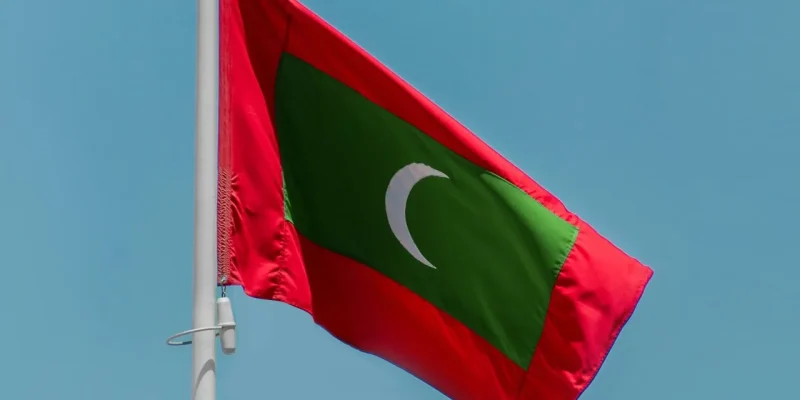
August 15th, 2025
Alexa Sporner
Asia Team Human Rights Researcher,
Global Human Rights Defence.
Female genitalia mutilation or cutting (FGM/C) is still an ongoing tradition in the Maldives despite its endangerment to the health of women and the long-term consequences it can cause.
Reportedly the most common form of female circumcision in the Maldives is the so-called Type IV female circumcision, which is the most serious of all different types of female circumcision. This type includes non-medical procedures too, such as burning, piercing and scraping the genital area. Although it was believed the practice had stopped in the 90s, the Vice President of the Maldives and the Attorney General raised their concerns that the practice continues existing in certain islands of the Maldives (Ibrahim, Suleiman & Ahmed, 2024).
According to the WHO’s report, the tradition is considered a violation of human rights under international law. The practice of female circumcision violates the principle of gender equality and the non-discrimination based on gender. Additionally, since the practice itself almost always has severe physical and psychological consequences, and it can therefore also be considered a violation of the the right to freedom from torture or cruel, inhuman or degrading treatment (Ismael, 2023).
Many believe the practice is a religious requirement, and although it is practiced based on the society’s idea of it being a religious norm, female circumcision is not mentioned, nor a part of any of the big religious books (Ibrahim, Suleiman & Ahmed, 2024).
The most common reason for circumcision is for girls to be considered marriageable and to remain virgins until their weddings thus being more pleasurable for their husbands. In some cultures circumcision is a prerequisite for marriage, and women who have not undergone the operation are considered unclean and unhygienic and not worthy to marry. It is also reported that most of the women are forced to go under the operation while they are children, and therefore the operation does not only violate human rights, but is also a form of child abuse (Ontiveros, 2019).
The government has addressed the issue and stated that they will implement the necessary changes in their legislation to prevent the continuation of the harmful practice. At the moment there are no laws against female circumcision in the islands, but based on public views and the government’s efforts, there is a hope to end the harmful practice in the Maldives (Ismael, 2023).
Sources and further readings:
Ibrahim, F., Sulaiman, A. I. & Ahmed, A. (2024, July 30) Harmful Cultural Traditions: An Analysis of Female Circumcision Practice in Maldives. Journal of Advocacy, Research and Education 11(1) pages 23-37
Ismael, Z. (2023, February 25) FGM in the Maldives: The dilemma of culture, religion, and the law. EqualityNow, accessed on the 12th August, 2025 <https://equalitynow.org/news/news-and-insights/fgm-in-the-maldives-the-dilemma-of-culture-religion-and-the-law/>
Ontiveros, E. (2019, February 6) What is FGM, where does it happen and why?. BBC World Service, accessed on the 12th August,2025 <https://www.bbc.com/news/world-47131052>


Comments