
 By
By 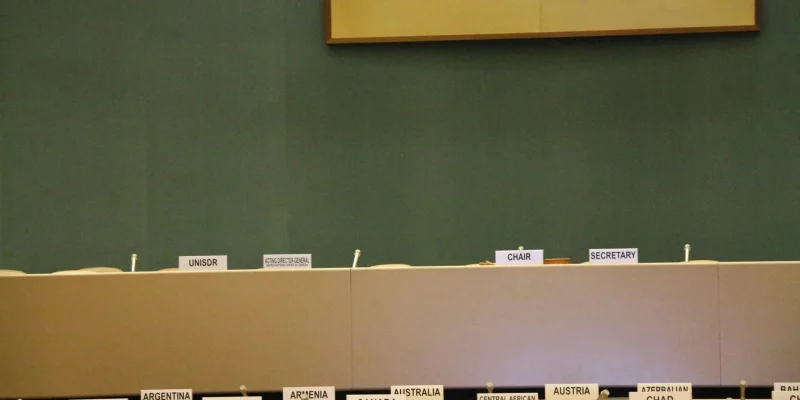
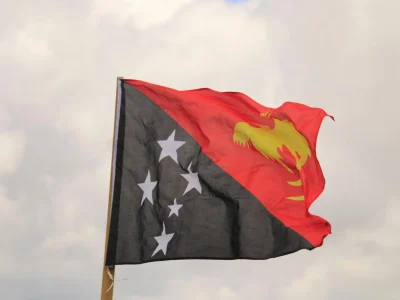
At the 51st Session of the United Nations Human Rights Council’s Universal Periodic Review, representatives from more than 50 nations addressed the human rights situation in Nauru. The discussion delved into important themes, such as the institutional framework of the island state, its attempts to protect marginalised groups, and its perspective on the climate crisis.
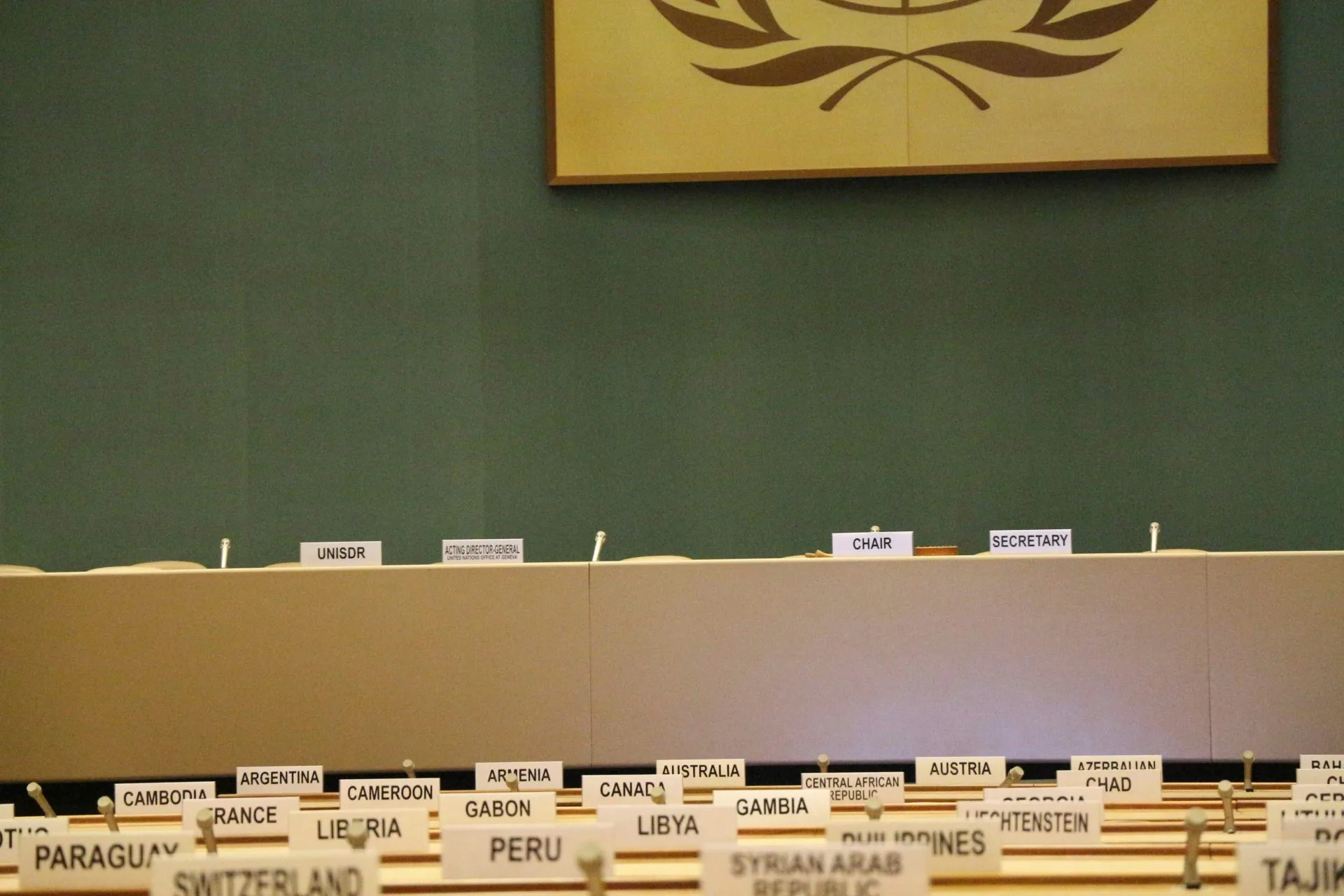
Photo source: Davi Mendes, via Unsplash, February 22nd, 2018.
23-01-2026 | Dominik Miklósi | Asia Researcher, Global Human Rights Defence.
On January 20th, 2026, the United Nations Human Rights Council’s (UNHRC) Universal Periodic Review (UPR) Working Group assessed the status of human rights in the Republic of Nauru. The 51st UPR session comprised a wide range of speakers. These included Mr. Marcelo Vàzquez Bermúdez, the Vice-President of the UNHRC; Mr. Frederick Pitcher, Ambassador and Permanent Representative of the Republic of Nauru to the United Nations Office at Geneva (UNOG); and Mr. Lionel Rouwen Aingimea, Nauru’s Minister for Justice and Border Control and Minister for Foreign Affairs and Trade.
This was the fourth occasion that the Pacific island state’s human rights conditions were evaluated in the context of the UPR. The first session took place in January 2011, the second in November 2015, and the third in January 2021. This time, Mr. Aingimea led the delegation of the country.
Three documents formed the foundation of the recent review. Notably, these were the National report submitted pursuant to Human Rights Council resolutions 5/1 and 16/21; the Compilation of information prepared by the Office of the United Nations High Commissioner for Human Rights; and the Summary of stakeholders’ submissions on Nauru.
The session lasted approximately two and a half hours, and several key themes were covered during the discussion. The delegations recognised Nauru’s efforts to bolster its domestic legislative frameworks. This was accompanied by questions posed on the steps taken in relation to the safeguarding of vulnerable communities. Furthermore, the country’s viewpoint on climate change and related environmental issues was addressed. This highlighted how the phenomenon entails both an existential crisis and a serious threat to human rights in the island state’s eyes. Lastly, the delegation of Nauru welcomed the recommendations made in the course of the session. It promised that the country’s government will examine the possibility of their “[…] effective, realistic, and sustainable […]” implementation.
Constructive dialogues between nations on states’ human rights records and their adherence to international standards are an indispensable feature of transparency. These must be upheld to pursue the common goal of protecting and promoting fundamental freedoms around the globe.




Comments