
 By
By 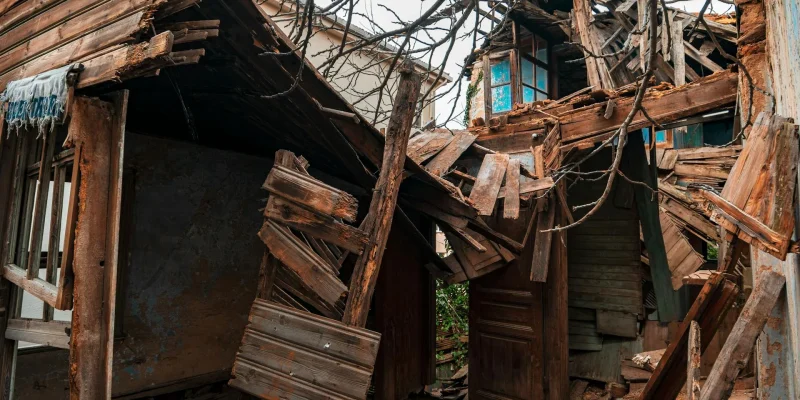
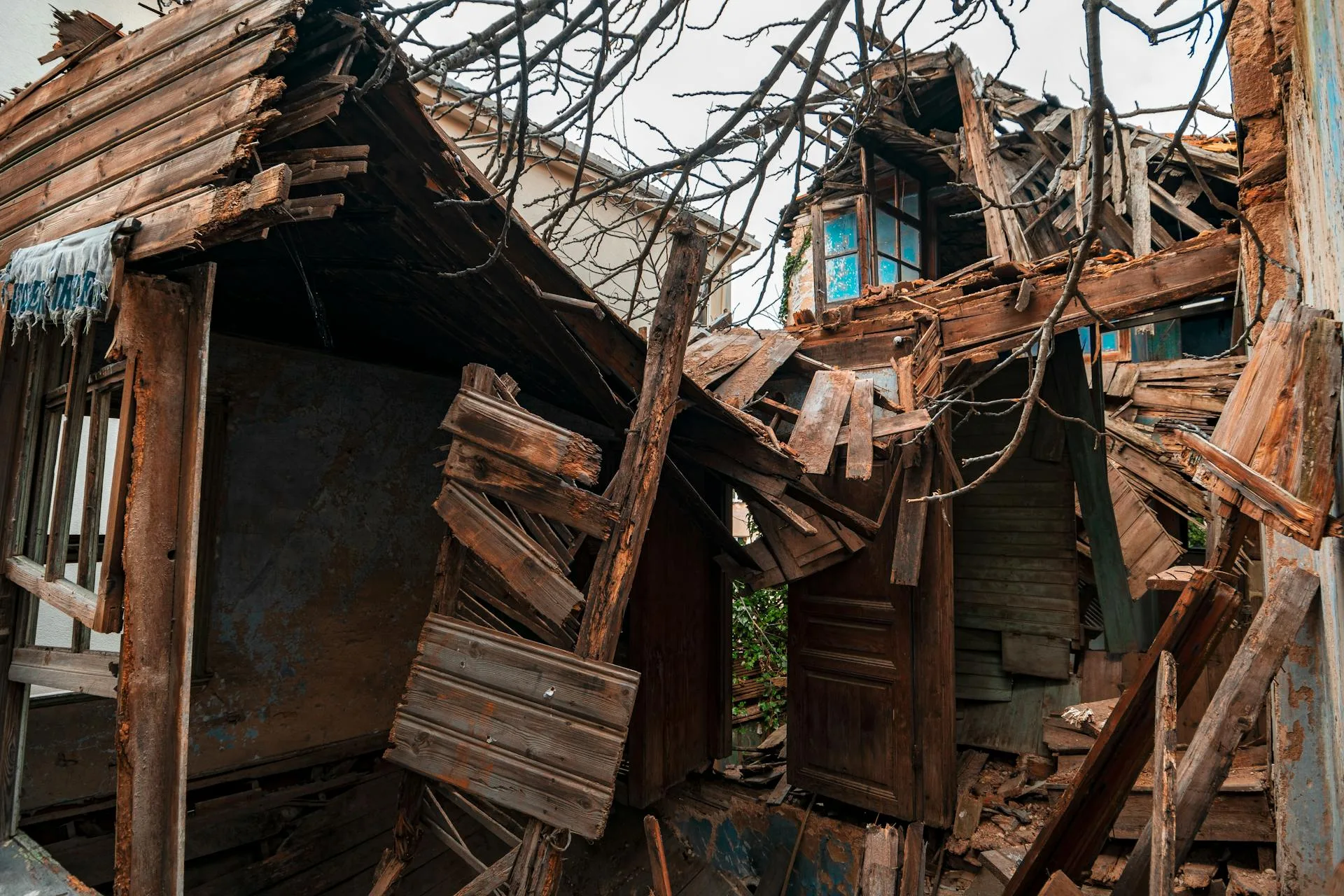
Photo source: Yunus Emre Ilica, via Pexels, March 3rd, 2023.
27-02-2026 | Pauliina Majasaari | Asia Team Researcher, Global Human Rights Defence.
As a testament to demanding justice, protection, and recognition, around 50 Hindu men and women stood silently in a chain, holding hands, united, in Hatiya Upazila in Noakhali district. This expression of will came shortly after the homes of at least seven Hindufamilies were attacked, looted, vandalised, and set on fire, only 72 hours after the Bangladesh National Parliamentary elections. According to victims from multiple households, the attackers had forcibly entered homes, beaten family members, looted cash and gold ornaments, vandalised at least ten homes, attacked livestock, and given direct warnings to leave the area.
The residents of Noakhali district described the presence of political tension on polling day, which further escalated into attacks on homes, upon the reveal of the results. A resident, Mridul Chandra Das, from Burirchar Union, had been surrounded by armed men, accusing him of harbouring supporters of the Bangladesh Nationalist Party. The walls of his house were hacked with machetes, and doors were kicked down, while his three daughters were inside. Additionally, a local physician, Khanesh Das, was threatened with a weapon, which has left grave fear and feelings of insecurity. Now, Das is afraid to go beyond his doorstep. H.K. Sardar had been threatened by individuals affiliated with the NCP, while refusing to vote for Jamaat-e-Islami. Overnight, seven houses belonging to H.K. Sardar were burnt to ashes, a vehicle and two auto-rickshaws were torched.
These attacks are believed to be coordinated and planned. The perpetrators have been alleged to belong to an organised group, associated with Jamaat-e-Islami-affiliated extremists, the National Citizens Party (NCP), and locally organised criminal networks.According to residents, security forces did not effectively intervene, even though receiving complaints about the attacks and assaults. While investigations have been launched into the incidents, the Officer-in-Charge of Hatiya Police Station has stated that some issues will be addressed as a “social compromise”. The victims of the incidents have not been pleased with this approach and have demanded transparent investigations, identification of perpetrators, and guarantees of security, while conducting adequate prosecution in these cases. An informal compromise fuels impunity, which can further incite violence amongst extremists, leading to a decrease in the protection of minorities.
Such incidents create a worrying outlook for upholding democracy in Bangladesh. While the ability to vote in fair and genuine elections is pivotal, the security and protection provided to individuals regardless of their political affiliation or status in society should be afforded post-elections. Therefore, minorities should be able to vote freely and continue living without insecurity in the following days.

Comments