
 By
By 
Jasmin Kaur Rajwant, Europe Team Researcher
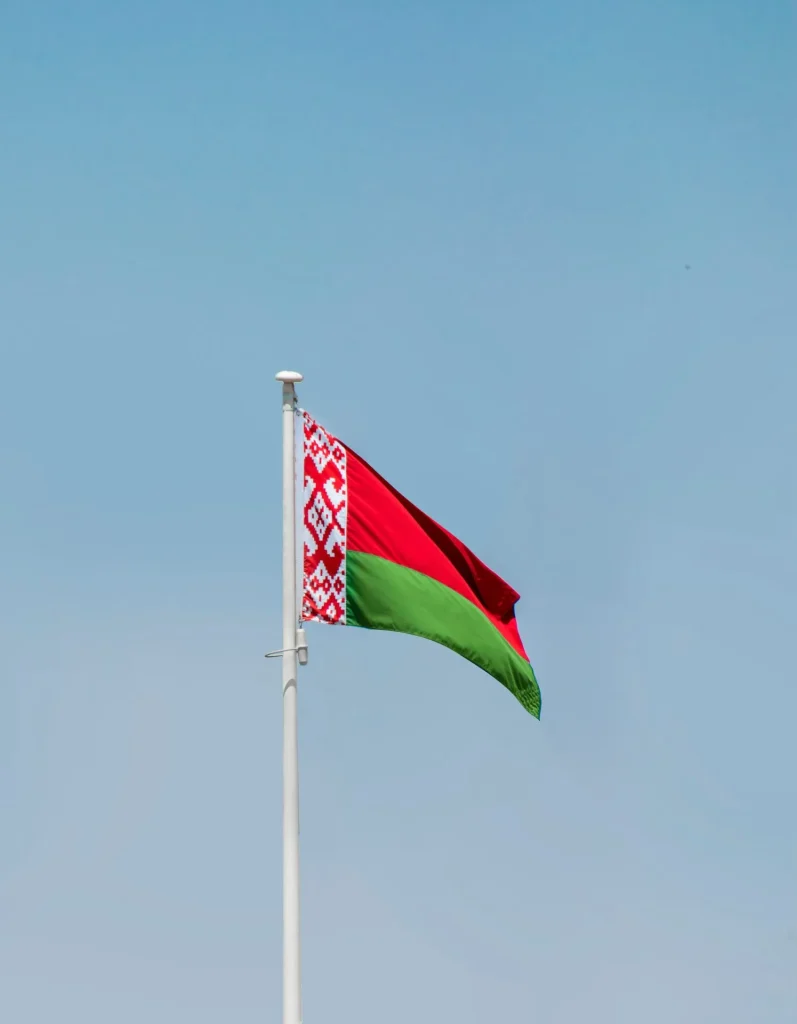
Aboodi Vesakaran on Unsplash, 2022.
On September 11th, 2025, a Belarusian opposition political leader, Mikalai Statkevich, vanished after he refused to be deported to Lithuania. He was pardoned by the Belarusian President Alexander Lukashenko in an American-brokered prisoner-exchange deal. He has not been seen since that day. Human-rights groups, besides urging the Belarusian authorities to disclose the whereabouts of the 69-year old former presidential candidate, have been treating the case as an enforced disappearance.
Since 1994, Lukashenko has ruled Belarus, most recently winning over 87 percent votes in the presidential elections in January 2025. The election has been continuously denounced by several democratic organisations and countries, and have been claimed as unfair and a “sham”. In 2020, Belarusian authorities were widely condemned for perpetuating widespread and systematic human right violations; for persecuting political opponents, journalists and civil-society activists.
Statkevich was among 52 prisoners freed under the deal. As per the arrangement, the prisoners were to be transported to the Lithuanian border. However, at the Kamenny Loh border crossing, Statkevich refused to leave his homeland, and resisted forced deportation. Later, he was reportedly seen on CCTV being taken away by masked security forces, and to the date of authorship, his whereabouts remain unknown. Amnesty International also emphasised that the lack of information of Statkevich’s whereabouts is deeply concerning, and called for immediate disclosure of information on Statkevich by Belarusian authorities .
The case is considered as one of enforced disappearance under Article 2 of the International Convention for the Protection of All Persons from Enforced Disappearance, which defines it as the arrest, detention or abduction of a person by state agents followed by the refusal to reveal the whereabouts of the person. Enforced disappearances are prohibited under international law without any exceptions. Aside from Amnesty International, Human Rights Watch has also urged Belarus to free hundreds of other Belarusians who remain in prison for exercising their fundamental rights. The European Parliament and United Nations’ experts have condemned the attempted forced exile and subsequent disappearance of Mikalai Statkevich.
The disappearance of Mikalai Statkevich highlights the severe risks faced by political opposition in Belarus, and underscores ongoing human-rights violations carried on by the country’s authoritarian rule. It also raises questions about what concrete steps the international community can take to ensure the protection of dissent and freedom of expression in Europe.




Comments